Freethinkers Meeting Site (hall)
106 East Fourth Street, Watkins Glen, New York | Unmarked Location
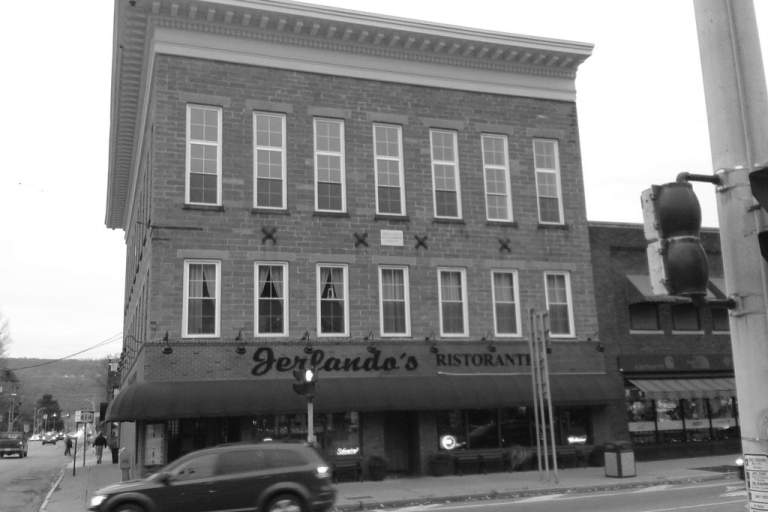
Two conventions of the New York Freethinkers’ Association were held in this building, built as the Freer Opera House, and in a park about 500 feet to the east (far background at the left side of photo #1 below).
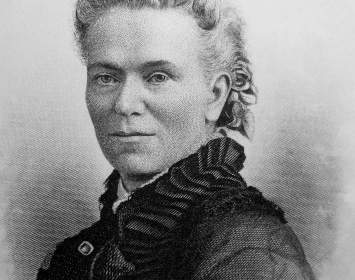
The 1878 Convention. The association's second annual convention took place August 22–25, 1878. At the 1878 meeting feminist and suffragist Matilda Joslyn Gage gave her first public freethought lecture. Famously, atheist publisher D. M. Bennett and two others were arrested under obscenity laws for selling a marriage reform and birth control tract, Cupid’s Yokes by Ezra Heywood. The Convention met at the Opera House on the evening of Saturday, August 24, and on the morning and evening of Sunday, August 25.
At the Sunday morning session, the prominent atheist and reformer Elizur Wright gave what would be considered the convention's keynote address at the opera house. (The Sunday session was held indoors because of a hard rain the night before.) Wright attacked what he called the false claims of Christianity.
The 1882 Convention. The New York State Freethinkers Association held its sixth annual convention in Watkins on August 23–27, 1882. Because of rainy weather, all conference sessions were held at the Opera House. Speakers included Matilda Joslyn Gage and D. M. Bennett, celebrating a triumphant return after his release from prison and a world tour. Among the attendees were Geneva philanthropist and freethinker William Smith; Rochester abolitionist and suffragist Amy Post; Rochester freethinker Elias Gault; freethought advocate Samuel Porter Putnam; suffragist Juliet Stillman Severance; freethinker Charles Bright, visiting from Australia; and W. S. Bell and Josephine Tilton, both of Boston, who had been Bennett’s co-arrestees at the 1878 event. A banquet honoring D. M. Bennett was held off-site at the Glen Park Hotel, attended by some 120 persons.
The conventions of 1878 and 1882 were, respectively, the Association’s second and third such events. The Association, then known as the Liberals and Freethinkers of Central and Western New York, had held its first convention, or "Grove Meeting," on August 17–19, 1877, at the farm of freethinker James Madison Cosad in Huron, New York. (Some sources give the place name as Wolcott.)
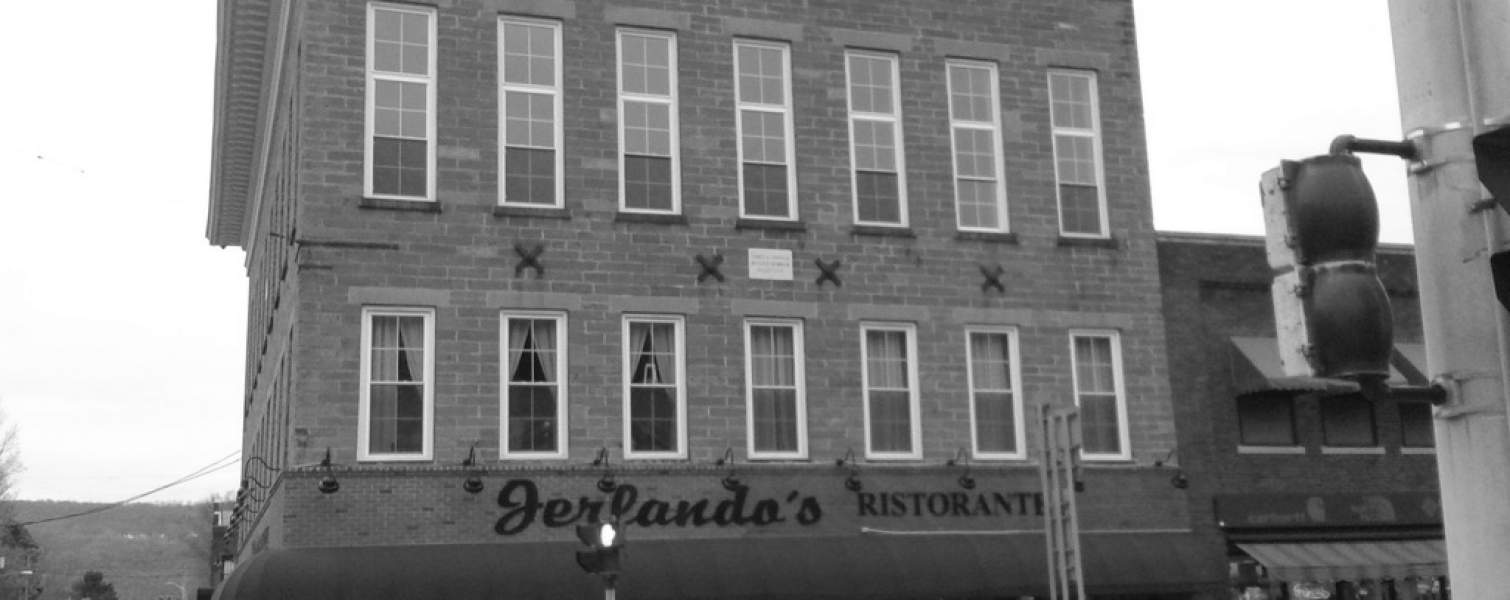
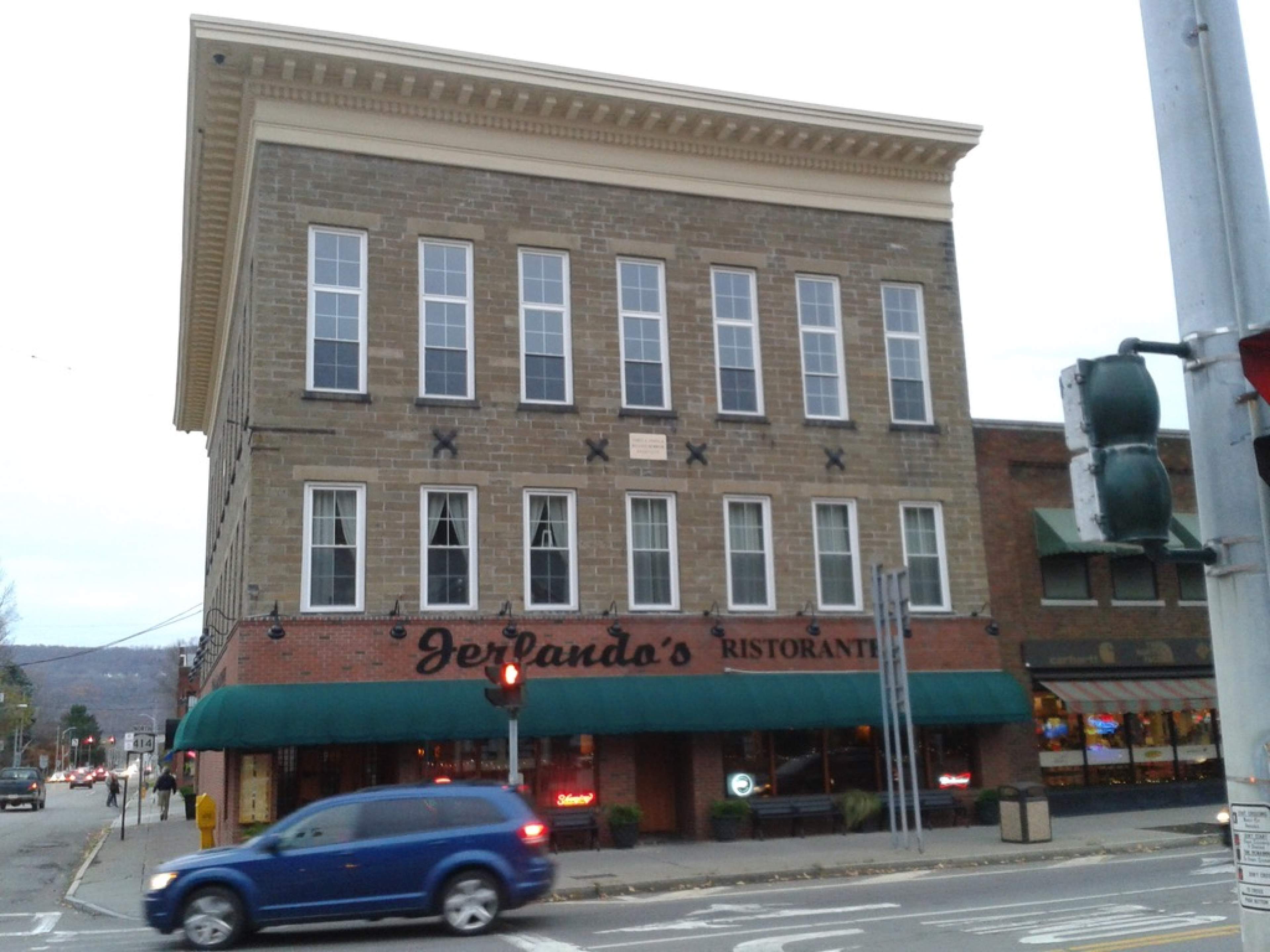
The Building. The Freer Opera House accommodated retail storefronts and commercial tenants on the ground and second floors; the ballroom/meeting hall occupied the topmost floor. Note the extra-tall third-floor windows. Nineteenth-century meeting halls often placed the main assembly space on an upper floor, a practice curtailed with the advent of modern fire codes. The building now hosts a popular restaurant and pizzeria on the ground floor and loft-style apartments on the upper floors.
Freethinkers Meeting Site (Hall)
Front view of the Freer Opera House. Constructed in 1860, it features a facade of regular ashlar rusticated stone with sills and lintels of the same material. The meeting hall was on the top floor (taller windows). In 2014, the upper floors of the building, long abandoned, were renovated with loft-style apartments on the second floor. The outdoor meeting site (the park) is in deep background at far left of image, about two blocks away from the camera.
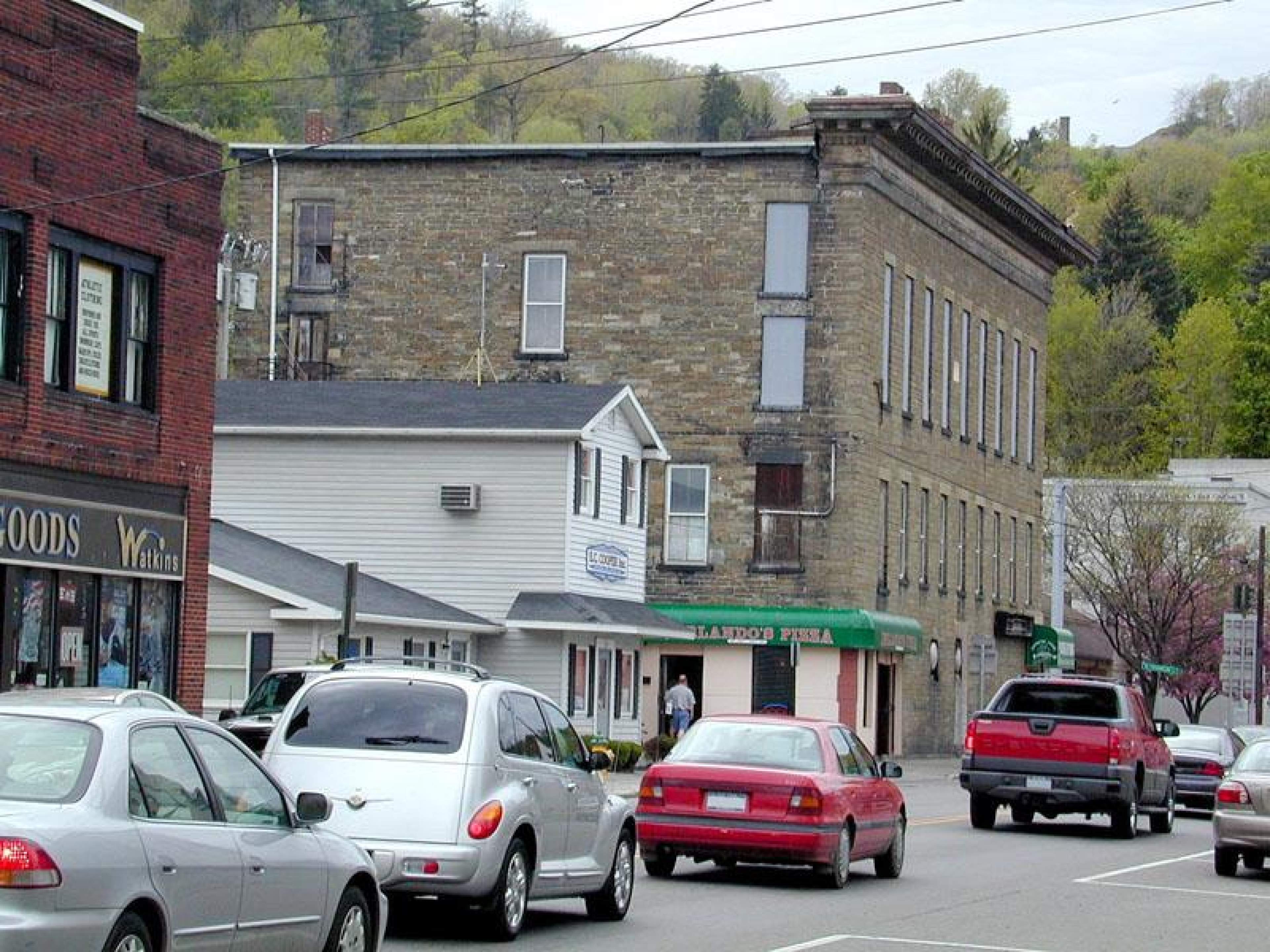
Freethinkers Meeting Hall (Reverse View)
Reverse view of the Freer Opera House, looking west on Fourth Street toward Franklin Street. Walls not fronting on Fourth or Franklin Streets are of random ashlar rusticated stone.
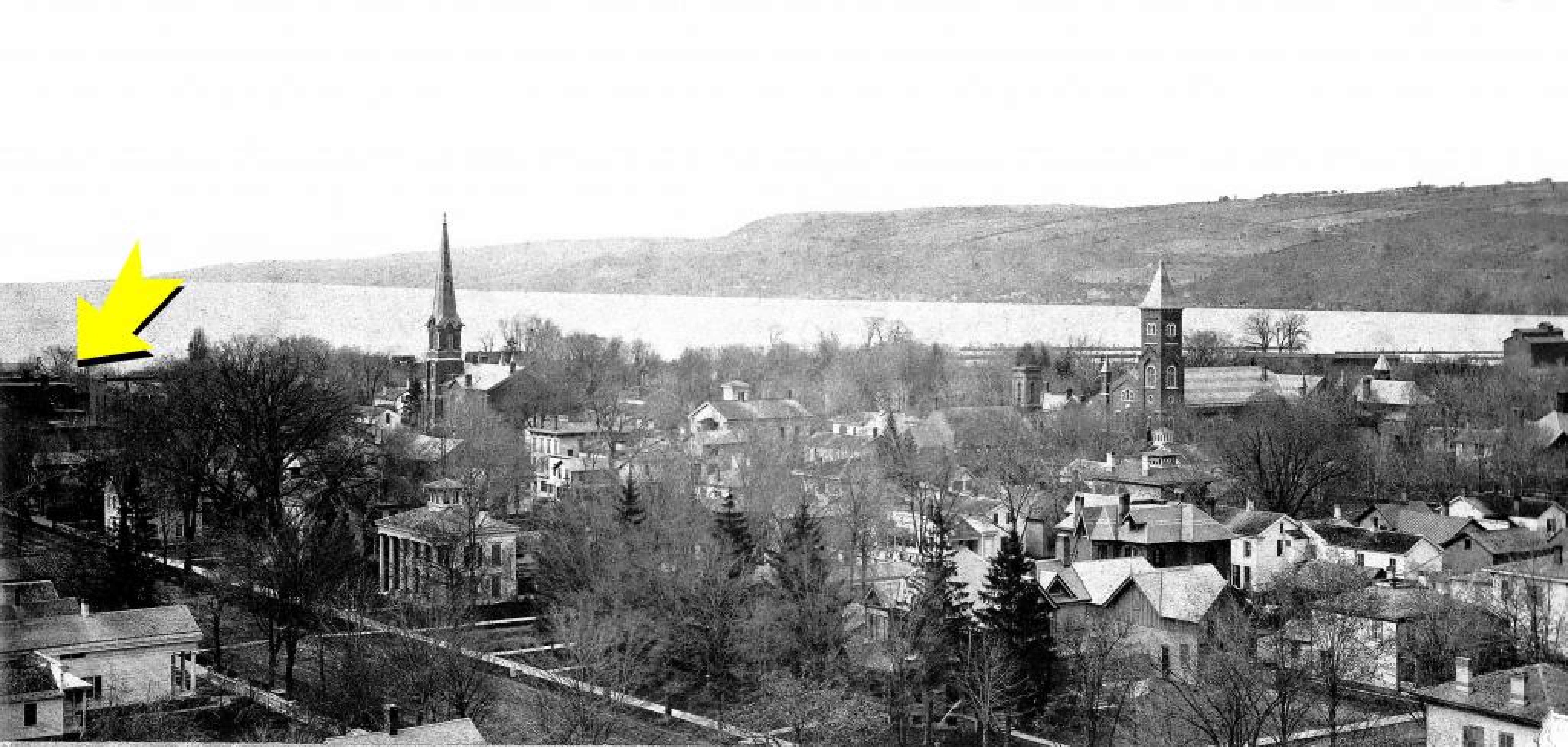
Old view of Watkins
Late nineteenth-century view of Watkins Glen, looking northeast from the hills above Franklin Street (street running diagonally at lower left edge of photo). Building at far left (arrow) is in the same block as the Opera House, on the southeast corner of Fourth and Franklin. The outdoor meeting site lies well to the right, between the two tall church steeples.
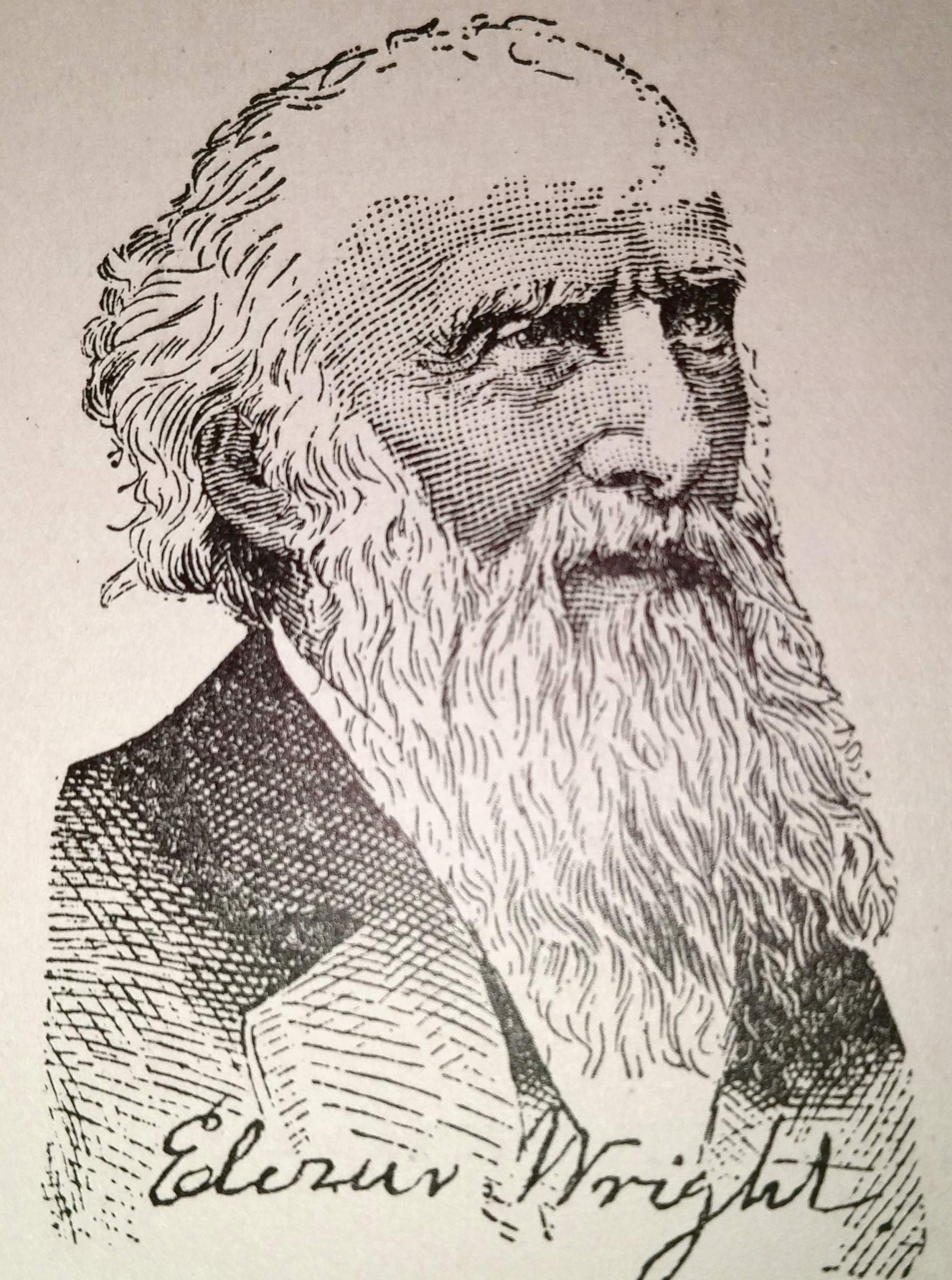
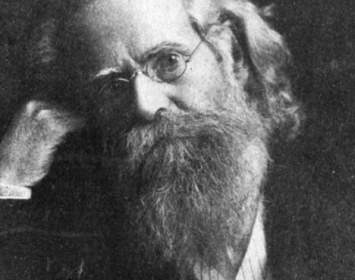
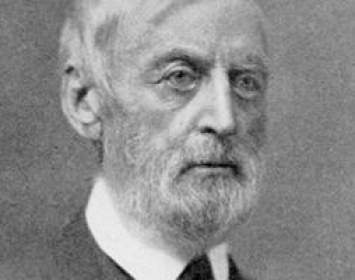
Elizur Wright
Elizur Wright (1804–1885) was an abolitionist, pioneer actuary, and one of the period's foremost atheist leaders. He gave what would be considered the keynote address of the 1878 Freethinkers Convention at Watkins.
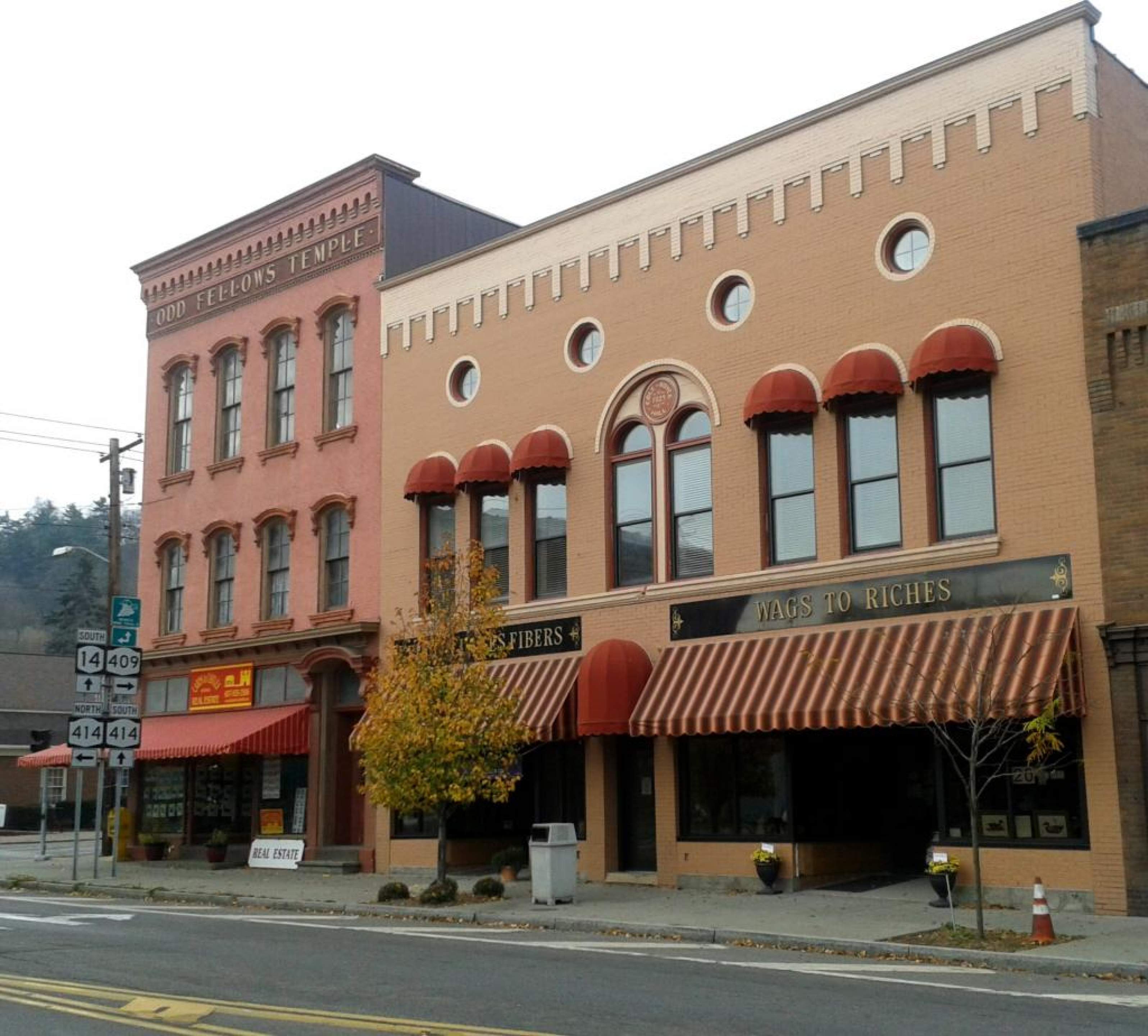
Cole-Royce Hall
Meeting halls often occupied the top floor of public buildings. These two buildings face the Freer Opera House diagonally across Fourth and Franklin Streets in Watkins Glen. Their tall, open top stories were once assembly halls. The Odd Fellows Hall (left) dates to 1860. The Cole-Royce Dance Hall (right) was erected in 1925 but designed to match the style of earlier structures lost in a fire.
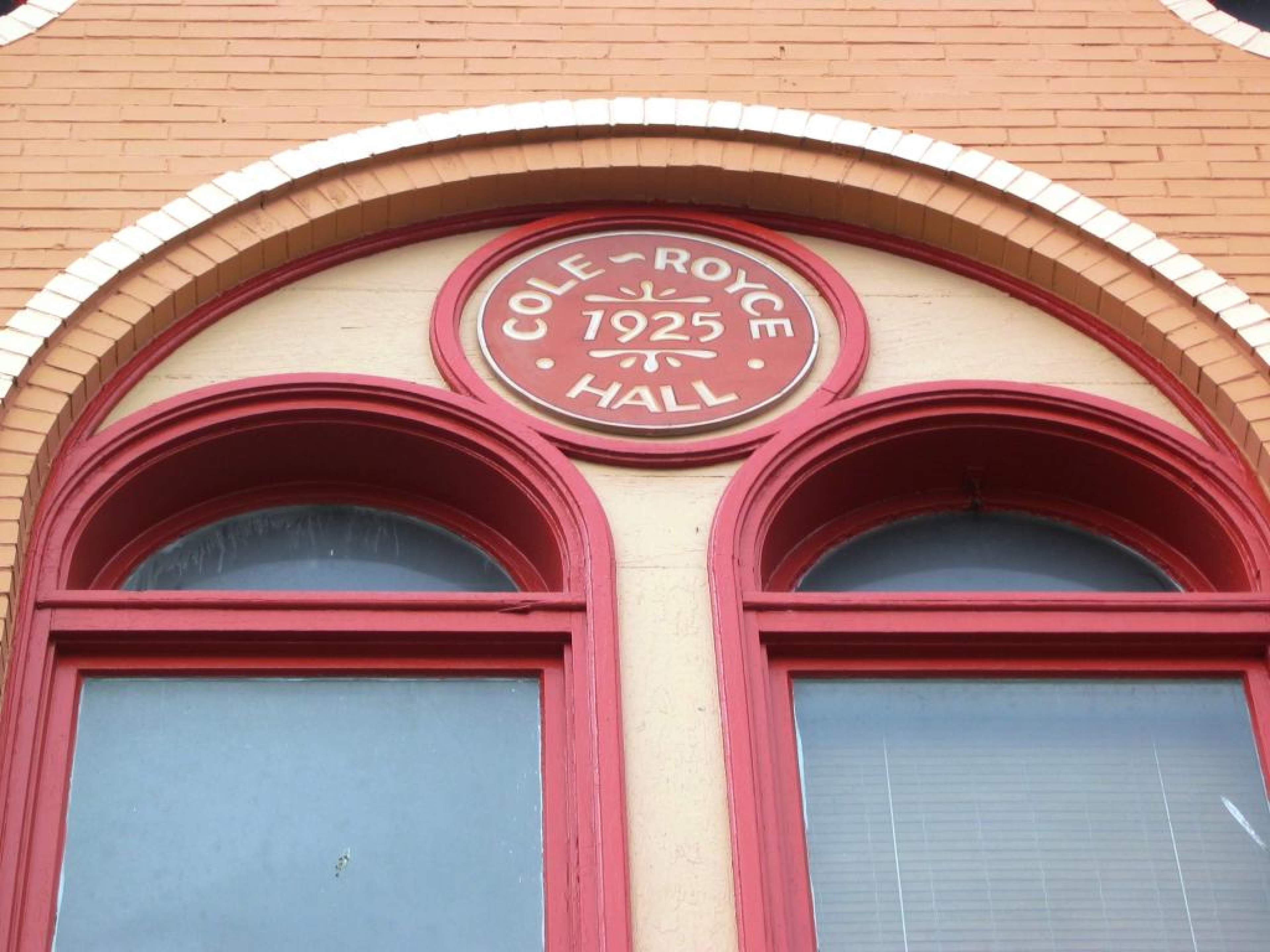
Cole-Royce Detail
This detail of the Cole-Royce Dance Hall, at center in picture #4 (center window) clearly establishes its 1925 construction date.
Associated Historical Events
Second New York Freethinkers' Association Convention
August 22–25, 1878
Sixth New York Freethinkers' Association Convention
August 23–27, 1882